

Building a startup sounds exciting until the real work begins. One day you are validating an idea, the next day you are writing cold emails, creating landing pages, handling customer queries, designing pitch decks, and trying to stay visible online. Most founders do not fail because of bad ideas, but they burn out managing too many moving parts.
That is where AI changes the equation.
Over the last few years, we have tested dozens of AI platforms across content creation, product research, automation, coding, hiring, and customer support. Some tools save a few minutes, others replace entire workflows. The difference matters when you are building with limited time, limited money, and a small team.
This guide covers the top 15 AI tools for startup founders that genuinely help with execution.
Why Startup Founders Are Rapidly Adopting AI Tools
Founders today are expected to operate like a full team before they can afford one and AI helps bridge that gap.
Instead of hiring separate people for copywriting, design, customer support, and research, founders are using startup AI tools to:
- Generate marketing content faster
- Validate startup AI ideas quickly
- Automate repetitive tasks
- Build MVPs without deep coding knowledge
- Improve productivity without increasing overhead
- Analyze customer feedback in real time
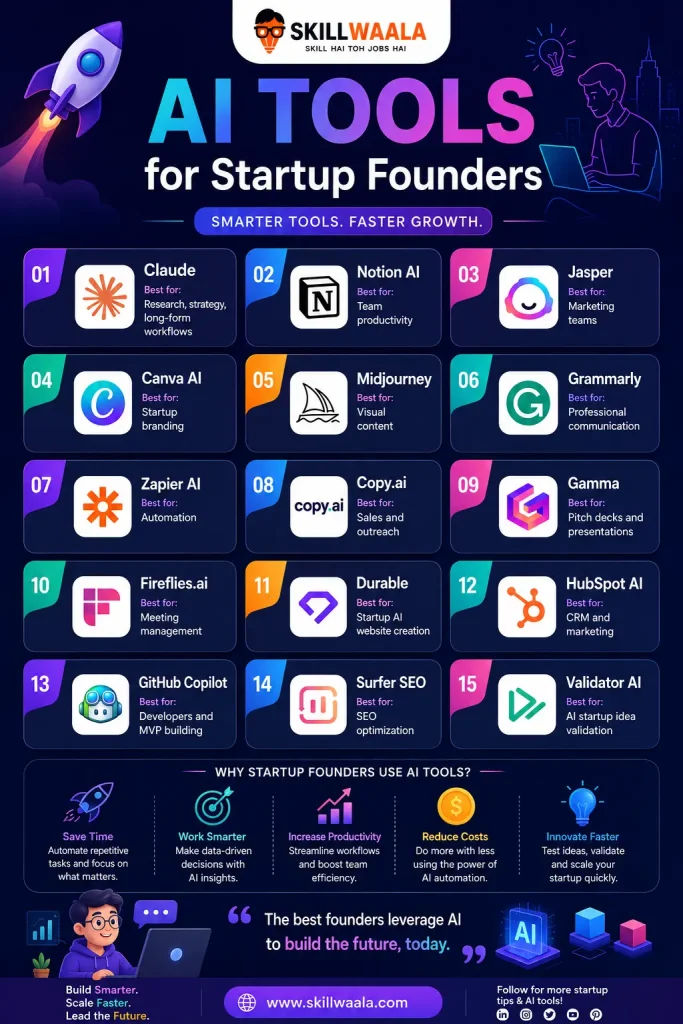
Quick Comparison Table: 15 Best AI Tools for Startup Founders
| AI Tool | Pricing Model | Best For | Key Features |
| Claude | Freemium | Research, strategy, long-form workflows | Deep analysis, writing, document handling |
| Notion AI | Freemium | Team productivity | AI notes, summaries, project planning |
| Jasper | Paid | Marketing teams | AI copywriting, campaign generation |
| Canva AI | Freemium | Startup branding | AI design tools, presentations |
| Midjourney | Paid | Visual content | AI image generation |
| Grammarly | Freemium | Professional communication | Writing clarity, grammar improvement |
| Zapier AI | Freemium | Automation | Workflow automation between apps |
| Copy.ai | Freemium | Sales and outreach | Cold emails, social content |
| Gamma | Freemium | Pitch decks and presentations | AI-powered storytelling and slide generation |
| Fireflies.ai | Freemium | Meeting management | Meeting recording and summaries |
| Durable | Paid | Startup AI website creation | AI-generated websites |
| HubSpot AI | Freemium | CRM and marketing | Email automation, customer insights |
| GitHub Copilot | Paid | Developers and MVP building | AI coding assistance |
| Surfer SEO | Paid | SEO optimization | Content scoring and keyword optimization |
| Validator AI | Freemium | AI startup idea validation | Startup feedback and business insights |
Top 15 AI Tools for Startup Founders
1. Claude
Best for: Strategic thinking, research, and deep workflows
Claude has quietly become one of the most useful AI assistants for startup founders handling large amounts of information.
We have used it for competitor research, refining startup positioning, creating SOPs, and even analyzing long investor documents. What makes Claude different is how well it handles context-heavy tasks without losing direction midway.
Key Features
- Long-form document analysis
- Research summarization
- Strategic brainstorming
- Natural writing assistance
- Workflow planning support
Pros
- Handles large documents smoothly
- Strong reasoning and structured responses
- Feels more natural during long conversations
- Useful for business planning and documentation
Cons
- Limited real-time integrations compared to some competitors
- Can occasionally become overly cautious in responses
- Advanced usage often requires a paid plan
Alternative Tool
Perplexity AI for real-time research and web-backed answers
2. Notion AI
Best for: Organizing startup operations
Notion AI combines documentation, task management, and AI assistance in one place.
Many startups struggle with information chaos. Notes get scattered. Processes stay undocumented. Team communication becomes inconsistent. Notion AI fixes a surprising amount of that friction.
Key Features
- AI-generated summaries
- Smart documentation
- Task management
- Brainstorming assistance
- Internal wiki creation
Pros
- Centralizes startup workflows
- Great for remote collaboration
- Easy to organize SOPs and projects
- Saves time on documentation
Cons
- Learning curve for beginners
- Large workspaces can become cluttered
- AI features feel basic for advanced users
Alternative Tool
ClickUp AI for project-heavy startup teams
15 Best AI Tools for Research Work
Explore the top AI tools designed to simplify research work, improve productivity, organize data efficiently, and help you generate smarter insights faster.
Read Full Article3. Jasper
Best for: Marketing content generation
Jasper is designed for startups that rely heavily on content marketing.
Unlike generic AI writers, Jasper focuses on conversion-focused copy. That distinction matters if your startup depends on landing pages, ads, and email campaigns.
Key Features
- AI blog writing
- Ad copy generation
- Brand voice customization
- SEO-focused content
- Marketing templates
Pros
- Excellent for marketing copy
- Strong template library
- Helps maintain brand consistency
- Speeds up campaign execution
Cons
- Expensive for bootstrapped startups
- Generic output without good prompts
- Less useful outside marketing tasks
Alternative Tool
Writesonic for affordable AI content creation
4. Canva AI
Best for: Startup branding and visuals
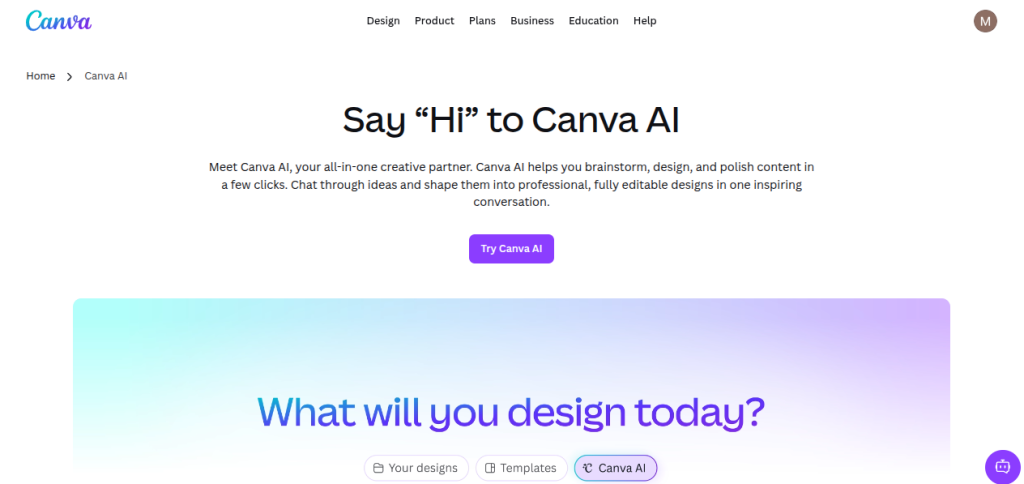
Canva has evolved far beyond simple graphic design.
For founders who don’t have a design background, Canva AI helps ease one of the biggest challenges faced at the early stage. Content graphics, investor presentations, pitch decks, and ad creatives can be produced quickly.
Key Features
- AI image generation
- Presentation design
- Social media templates
- Brand kit creation
- Video editing tools
Pros
- Beginner-friendly interface
- Huge template collection
- Useful for quick branding tasks
- Affordable for small teams
Cons
- Limited customization for advanced designers
- AI visuals can feel repetitive
- Export quality varies sometimes
Alternative Tool
Adobe Express for more advanced creative control
Make Money Faster Using AI Tools
Discover beginner-friendly ways to turn AI tools into income opportunities through freelancing, blogging, automation, and digital services.
Explore Income Ideas5. Midjourney
Best for: High-quality AI visuals
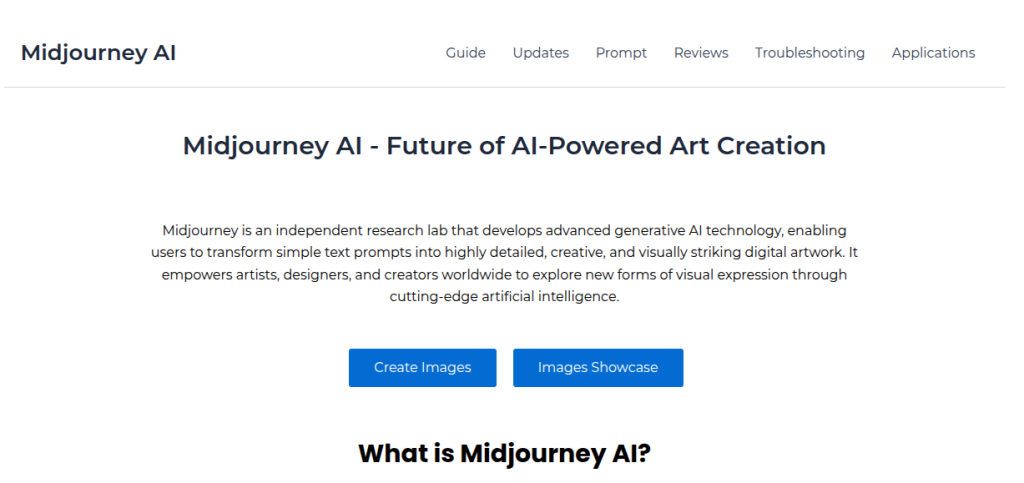
Midjourney is one of the strongest AI image generation platforms available today.
Founders use it for ad creatives, product mockups, website assets, and concept visuals.
Key Features
- AI-generated artwork
- Concept design
- Product visualization
- Marketing visuals
- Creative experimentation
Pros
- Exceptional image quality
- Great for creative campaigns
- Strong artistic output
- Useful for brand concepts
Cons
- Requires prompt experimentation
- Less beginner-friendly
- No free plan is currently available
Alternative Tool
Leonardo AI for easier AI image workflows
6. Grammarly
Best for: Professional communication
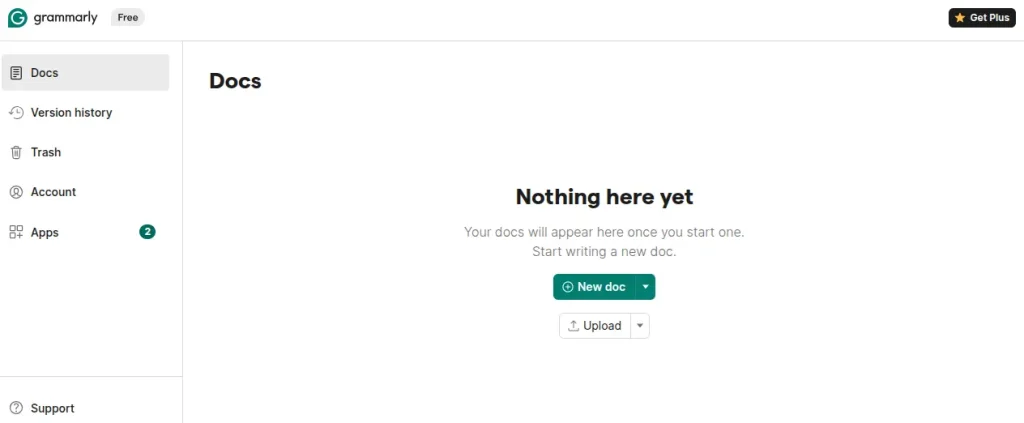
Grammarly solves a problem many founders underestimate: poor communication.
Emails, proposals, investor updates, and LinkedIn posts shape perception, and weak writing creates unnecessary friction.
Key Features
- Grammar correction
- Tone improvement
- Clarity suggestions
- Writing enhancement
- AI rewrite support
Pros
- Improves professional writing instantly
- Useful across emails and proposals
- Saves editing time
- Easy browser integration
Cons
- Suggestions can feel repetitive
- Premium version is needed for advanced features
- Sometimes over-corrects tone
Alternative Tool
Wordtune for rewriting and tone flexibility
Top 10 Best AI Tools That Save Time
Discover powerful AI tools that automate repetitive tasks, boost productivity, and help you save valuable time in your daily work and business operations.
Read Full Article7. Zapier AI
Best for: Workflow automation
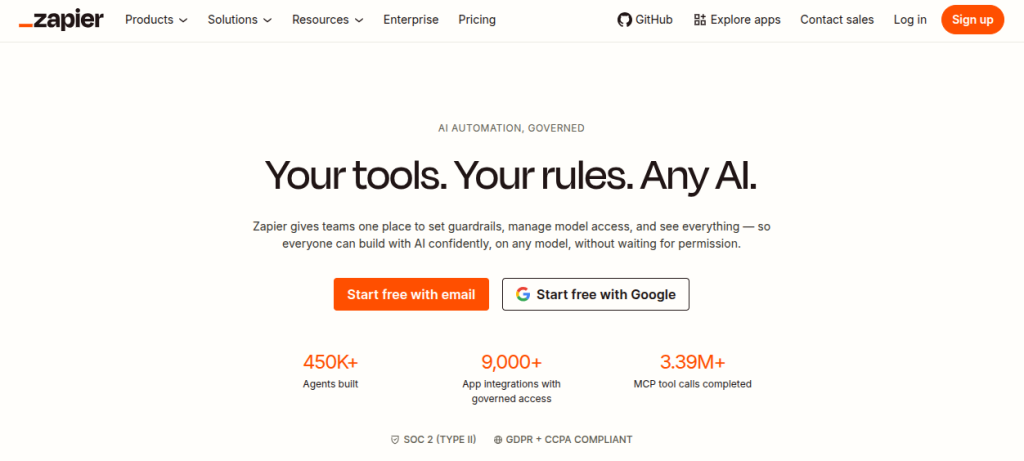
Zapier helps startups automate repetitive work without hiring developers.
The time savings and ease of use makes it one of the most reliable tools in the list.
Key Features
- App integrations
- Automated workflows
- AI-powered automation suggestions
- CRM automation
- Task syncing
Pros
- Massive integration ecosystem
- Reduces manual operational work
- No coding required
- Scales well with startup growth
Cons
- Costs increase quickly with usage
- Complex automations need testing
- Debugging workflows can become frustrating
Alternative Tool
‘Make’ for more visual automation building
8. Copy.ai
Best for: Sales outreach and quick copy generation
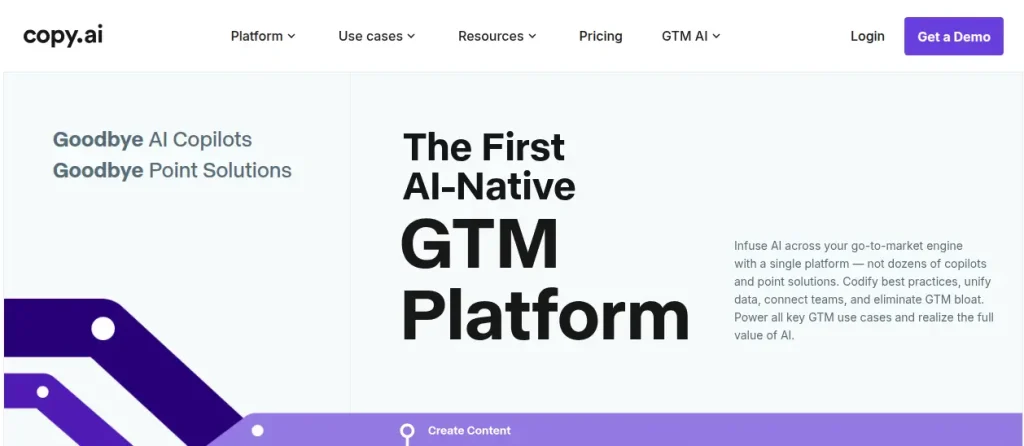
Copy.ai is particularly useful for startups doing outbound marketing.
Cold outreach is exhausting when done manually, Copy.ai reduces the workload significantly.
Key Features
- Sales email generation
- LinkedIn content
- Product descriptions
- Blog outlines
- Social media captions
Pros
- Fast content generation
- Great for outreach workflows
- Beginner-friendly interface
- Helps overcome writer’s block
Cons
- Output quality varies
- Needs editing for originality
- Long-form content can feel shallow
Alternative Tool
Anyword for conversion-focused AI copywriting
9. Gamma
Best for: AI-powered presentations and startup storytelling
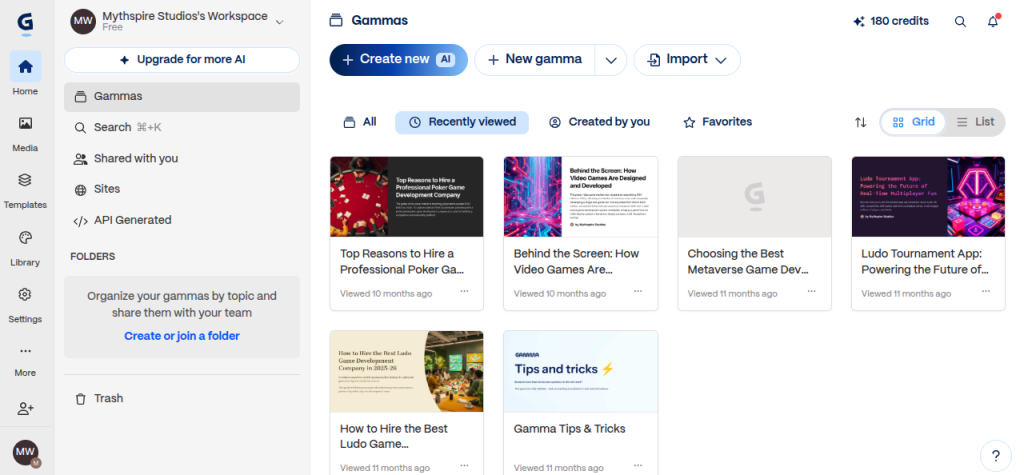
Gamma is still underrated compared to mainstream presentation tools, but it delivers impressive results for founders creating pitch decks, investor updates, and client presentations.
The biggest advantage is speed without making slides look generic.
Key Features
- AI-generated presentations
- Website-style visual storytelling
- Smart formatting
- Interactive content support
- Team collaboration
Pros
- Extremely fast presentation creation
- Modern visual layouts
- Helpful for investor decks
- Reduces formatting work
Cons
- Limited advanced slide editing
- Custom branding options are restricted
- Heavy dependence on templates
Alternative Tool
Beautiful.ai for polished business presentations
Best AI Tools for Non-Technical People
Discover beginner-friendly AI tools that make everyday tasks easier without requiring coding or technical skills. Perfect for creators, students, and professionals.
Read Full Article10. Fireflies.ai
Best for: Meeting summaries and collaboration
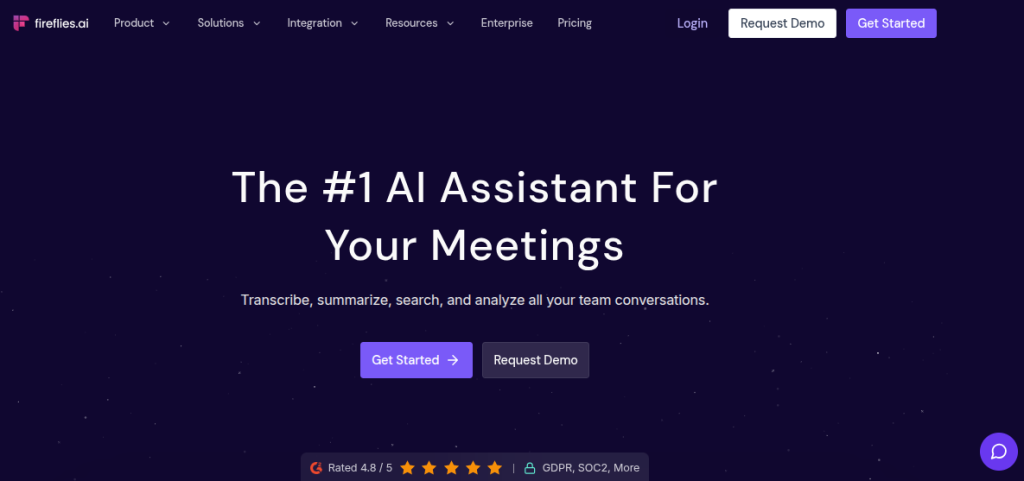
Fireflies.ai records meetings, transcribes conversations, and extracts actionable insights.
This becomes extremely useful once startups begin handling multiple calls daily.
Key Features
- Meeting transcription
- AI summaries
- Action-item extraction
- Team collaboration
- CRM integration
Pros
- Saves hours of manual note-taking
- Good transcription accuracy
- Helpful for remote teams
- Easy integration with meeting tools
Cons
- Transcriptions are not always perfect
- Free plan limitations
- Can feel intrusive in some meetings
Alternative Tool
Otter.ai for AI meeting transcription
11. Durable
Best for: AI startup website creation
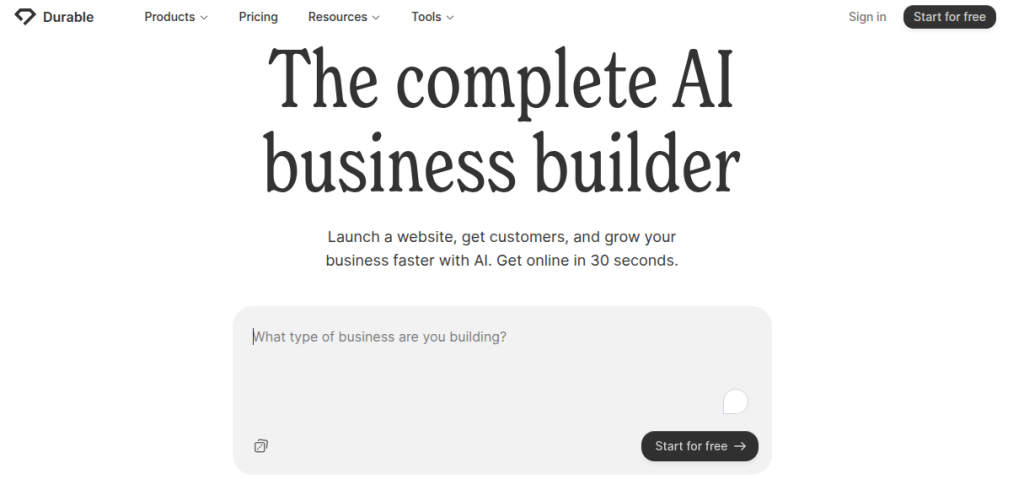
Durable is built for founders who need a startup AI website quickly.
You can generate a functional business website within minutes.
Key Features
- AI website builder
- Automated copywriting
- Built-in CRM
- SEO optimization
- Business analytics
Pros
- Extremely fast website setup
- Beginner-friendly
- Good for MVP validation
- Includes business tools in one platform
Cons
- Limited customization flexibility
- AI-generated copy often needs edits
- Not ideal for complex websites
Alternative Tool
Framer AI for more design flexibility
12. HubSpot AI
Best for: Customer management and marketing

HubSpot integrates AI into CRM, sales, and customer engagement workflows.
For growing startups, organization becomes critical surprisingly fast.
Key Features
- AI email assistance
- CRM automation
- Lead tracking
- Marketing analytics
- Customer insights
Pros
- Strong CRM ecosystem
- Useful automation tools
- Scales with startup growth
- Excellent sales pipeline visibility
Cons
- Pricing rises significantly over time
- Setup can feel overwhelming
- Some advanced tools require premium tiers
Alternative Tool
Zoho CRM for budget-conscious startups
Top 50 Beginner-Friendly AI Tools
Explore 50 easy-to-use AI tools perfect for beginners to boost productivity, create content, automate tasks, and simplify everyday work without technical skills.
Read Full Article13. GitHub Copilot
Best for: Faster MVP development
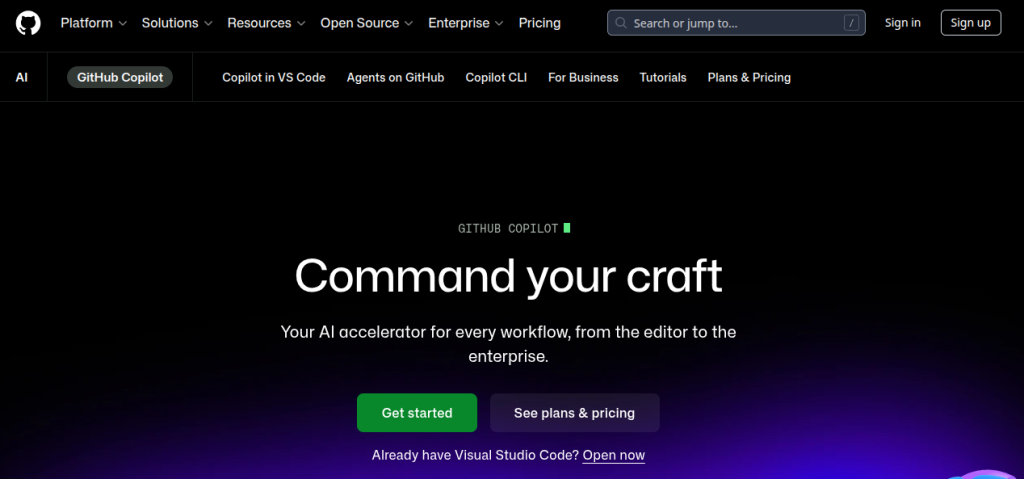
GitHub Copilot acts like an AI coding assistant.
Founders building technical products can accelerate development significantly with it.
Key Features
- AI code suggestions
- Bug fixing assistance
- Faster development workflows
- Multi-language support
- Documentation help
Pros
- Speeds up coding significantly
- Reduces repetitive coding tasks
- Helpful for rapid MVP building
- Works inside popular IDEs
Cons
- Code suggestions are not always accurate
- Security review is still necessary
- Less useful for non-technical founders
Alternative Tool
Cursor for AI-assisted coding workflows
14. Surfer SEO
Best for: Search engine optimization
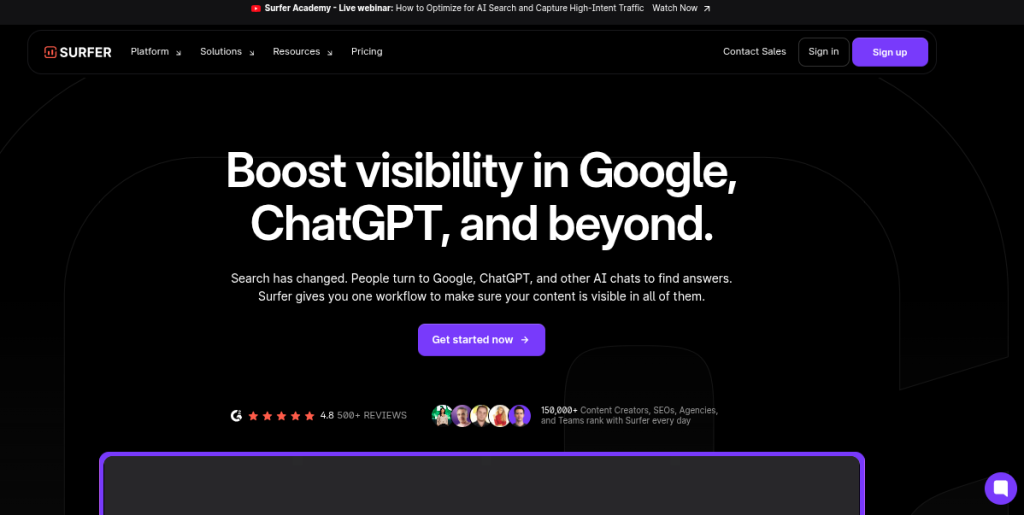
Surfer SEO helps founders create content optimized for search rankings.
Organic traffic remains one of the most cost-effective growth channels for startups.
Key Features
- Content optimization
- Keyword analysis
- SERP insights
- SEO scoring
- Competitor analysis
Pros
- Strong on-page SEO guidance
- Helpful keyword recommendations
- Good for content teams
- Simplifies optimization workflows
Cons
- Expensive for solo founders
- Content scoring can become formulaic
- Requires SEO understanding for best results
Alternative Tool
NeuronWriter for budget-friendly SEO optimization
Top AI Tools for Professional Presentations
Explore the best AI tools for creating professional presentations quickly, improving slide design, and delivering impactful visual storytelling.
Discover Presentation Tools15. Validator AI
Best for: AI startup idea validation
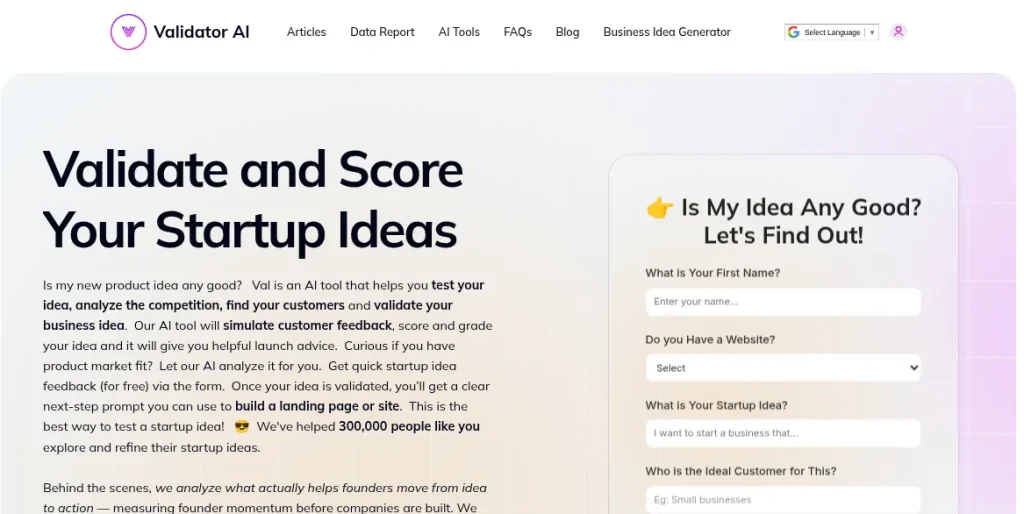
Validator AI is one of the more practical tools for founders exploring startup AI ideas.
Instead of simply generating random business ideas, it focuses on validation. That difference matters because execution becomes easier when feedback arrives early.
Key Features
- AI startup idea validation
- Business feedback generation
- Market positioning insights
- Startup planning assistance
- Founder-focused recommendations
Pros
- Useful for early-stage brainstorming
- Helps identify weak assumptions
- Beginner-friendly guidance
- Encourages faster validation
Cons
- Advice can feel generic sometimes
- Limited deep market analysis
- Better for idea-stage founders than scaling startups
Alternative Tool
FounderPal for startup planning and positioning ideas

How to Choose the Right Startup AI Tools
Not every AI tool deserves a place in your workflow.
Founders often make one mistake early: stacking too many tools at once, which leads to a productivity drop rather than improvements.
A better approach would be:
Focus on Your Biggest Bottleneck First
- If marketing consumes most of your time, prioritize writing and design tools.
- If operations feel chaotic, focus on automation and project management.
- If product development is slow, invest in coding and workflow assistance.
Prioritize Integration
Disconnected tools create hidden inefficiencies. Platforms that integrate well usually provide better long-term value.
Start With Freemium Plans
Most founders do not need expensive enterprise plans immediately. Several AI tools for startup founders free plans are strong enough for early validation stages.
Common Mistakes Founders Make With AI
Expecting AI to Replace Strategy
AI improves execution, but does not replace business fundamentals. Weak positioning, unclear offers, and poor market understanding still fail.
Over-Automating Customer Communication
Customers can detect robotic messaging quickly. Human oversight matters.
Ignoring Data Privacy
Not every AI platform handles sensitive information responsibly. Founders should review policies before uploading confidential business data.

Final Thoughts
AI is no longer optional for startup founders. The competitive advantage now comes from how intelligently these tools are used. Some founders use AI casually. Others build systems around it and move twice as fast with smaller teams. That gap will continue widening. The good news is that most of the tools listed above offer free or freemium access, making experimentation accessible even for early-stage startups.
If you want to learn how to use AI tools more effectively for productivity, freelancing, content creation, and startup growth, check out SkillWaala’s free AI tools course. It is beginner-friendly and practical without overwhelming jargon.
FAQs
Claude, Notion AI, Canva AI, Zapier, and GitHub Copilot are among the most useful tools because they solve real operational problems across marketing, productivity, and development.
Yes. Many tools like Claude, Canva AI, Grammarly, and Notion AI offer free or freemium plans suitable for early-stage founders.
Validator AI and Claude are strong options for brainstorming and validating startup AI ideas.
Yes. Platforms like Durable can generate a startup AI website quickly using AI-powered templates and automation.
Not necessarily. Most startup AI tools offer scalable pricing, and many founders begin with free plans before upgrading.
About The Author